How I Set Up a Reliable Drain Unclogging Routine in Aclimação, São Paulo
How I Set Up a Reliable Drain Unclogging Routine in Aclimação, São Paulo
You smell something sour coming from the kitchen drain, or the shower water starts pooling around your feet. You grab a plunger, pour a bottle of drain cleaner, and hope for the best. That works for a day, maybe two, and then the problem comes back. I have been managing properties in Aclimação for years, and I learned the hard way that a real routine beats emergency fixes. The first thing I tell anyone who asks is to call a professional early: a desentupidora em Aclimação São Paulo SP can diagnose the line before a small clog turns into a flooded apartment. But the routine itself is something you can build and maintain. Here is exactly how I set mine up, and how it differs when you manage a house versus a condo versus a commercial kitchen.
Why Aclimação Properties Need a Routine, Not Just a Plunger
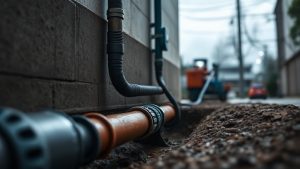
Aclimção sits in a part of São Paulo where many buildings date back decades. The original cast-iron and PVC lines have seen years of grease, soap scum, hair, and food waste. When I first started managing here, I treated every backup as a one-off. I would call someone, pay for the visit, and move on. The same drains clogged again three months later. The turning point was realizing that a clog is a symptom, not the disease. The disease is buildup that never gets fully removed.
A proper routine has three parts: prevention, early detection, and a trusted response plan. Prevention means watching what goes down the drain and flushing lines on a schedule. Early detection means noticing slow drainage before it becomes a full blockage. The response plan is the number you call when things go wrong, and it should be a company that actually knows the neighborhood. That is why I keep the contact for a desentupidora Aclimação saved in my phone and on the building notice board. When a tenant calls at 11 p.m., I am not searching the internet. I am making one call.
The biggest mistake I see is relying on chemical drain cleaners. They can eat through old pipes and they rarely clear the whole line. They also give you a false sense of security. I stopped using them entirely after one tenant poured three bottles down a kitchen sink and the line still backed up a week later. The plumber who came out showed me the inside of the pipe on camera: a hard crust of grease that the chemicals had only scratched. That was the day I built the routine I use now.
My Setup on One Platform: What Works for a Single Building
Most of my routine is built around a single building in Aclimação with twelve units and a shared laundry area. On this platform, the setup is simple and repeatable. I treat the building like a small system with three zones: kitchen lines, bathroom lines, and the main sewer connection. Each zone gets its own schedule and its own warning signs.
Prevention schedule that actually gets followed
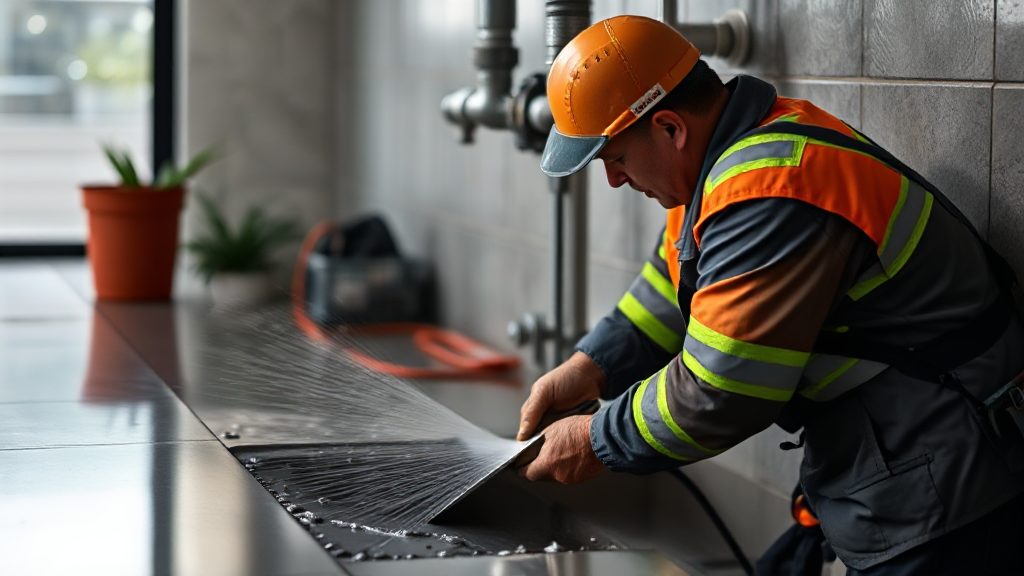
Every Monday morning, the cleaning staff runs hot water through every kitchen drain for two minutes. It sounds trivial, but it melts away the first layer of grease before it hardens. Once a month, I have a technician inspect the grease trap and the laundry drain. Once a quarter, we do a full hydrojetting pass on the main line. Hydrojetting uses high-pressure water to scour the pipe walls, not just poke a hole through the clog. That quarterly pass is the single most effective thing I have done to reduce emergency calls.
I also post a one-page notice in each unit explaining what not to flush. Wet wipes, cooking oil, coffee grounds, and hair are the top four culprits. The notice is not glamorous, but it cut our backup calls by more than half in the first year. People genuinely do not know that “flushable” wipes are not flushable in an older building.
Early detection without fancy equipment
I do not have sensors in the pipes. What I have is a simple rule for tenants: if a drain drains slower than it did last week, report it. Slow drainage is the cheapest warning you will ever get. A technician can clear a slow line in twenty minutes; a fully blocked line at midnight costs three times as much and floods a neighbor’s ceiling. I keep a shared spreadsheet where the building manager logs every report, even the small ones. Patterns show up fast. If the second-floor bathroom backs up twice in a month, we scope the line instead of plunging it again.
The response plan and who I call
For emergencies, I call a desentupidora Aclimação São Paulo SP that offers 24-hour service. The key is to call before you start disassembling anything. I learned that from a tenant who removed a P-trap, dropped the gasket down the drain, and turned a simple clog into a two-hour job. Now the rule is: report, do not repair. The company handles the diagnosis, the hydrojetting, and the cleanup. I keep a copy of their service report for each visit, which helps when the condo board asks why we spend money on preventive maintenance.
How the Routine Changes on Different Platforms
The single-building setup is my baseline. When I apply the same logic to other property types, the differences matter more than the similarities. The table below is how I think about it in practice, not a theoretical comparison.
| Property type | Prevention focus | Detection method | Response priority |
|---|---|---|---|
| Single residential building | Quarterly hydrojetting, monthly grease trap check | Tenant reports of slow drains | Same-day service, 24h line for backups |
| Standalone house with garden | Root intrusion checks, septic tank inspection | Gurgling sounds, soggy patches in the yard | Camera inspection before any digging |
| Commercial kitchen or restaurant | Daily grease trap cleaning, weekly line flush | Drain smell, slow sink, backup during service | Emergency contract with priority response |
On a standalone house, the biggest difference is the yard. Tree roots find their way into old clay and PVC lines, and no amount of plunging fixes that. I schedule a camera inspection every eighteen months for houses with mature trees near the sewer line. It costs less than repairing a collapsed pipe, and it catches root intrusion while it is still a minor problem. On a commercial kitchen, the grease trap is everything. If it is not cleaned daily, the line will clog during the busiest service of the week. I have seen restaurants lose an entire Friday night because nobody checked the trap.
The other difference is who makes the call. In a house, the owner decides. In a condo, the board or the syndic decides, and that means paperwork. I keep a standing authorization for emergency desentupimento up to a set amount so the building manager does not have to wake up the board at 2 a.m. That single piece of paperwork has saved more damage than any piece of equipment.
What I Recommend After Running This Routine for Years
If you take one thing from my routine, make it this: schedule prevention before you need a repair. A quarterly hydrojetting pass and a monthly grease trap check cost far less than a flooded apartment or a closed restaurant. The second thing is to build a relationship with one trusted provider instead of calling whoever answers first. When the same company knows your building, they bring the right equipment and they recognize the line before they open it.
I also recommend keeping a simple log. Date, location, symptom, action taken, and who did the work. After a year, that log tells you which lines are chronic problems and which are fine. It also protects you when a tenant claims the building ignored a warning. Documentation is part of the routine, not an afterthought.
Finally, do not wait for a total blockage to act. Slow drainage, a faint smell, or a gurgling sound are all cheap warnings. Treat them as appointments, not annoyances. That mindset is what turned my emergency calls from a monthly headache into a rare event. The routine is not complicated, but it has to be consistent. Set the schedule, keep the number handy, and let the professionals handle the heavy equipment. Your pipes, your tenants, and your budget will all thank you.